
Personal Safety & Physical Interventions


Our Courses
Self-Defence in the Workplace
Self-defence is one of those subjects that a lot of people ‘throw around’ without actually understanding what it means. Not...
Lone Working
According to The Health and Safety Executive (HSE), the definition of a Lone Worker is “those who work by themselves...
Introduction to Conflict Management
This is a useful course for individuals who would like a better understanding of how to recognise and prevent conflict...
Highfield Level 2 Award in Conflict Management (RQF)
This regulated qualification is ideal for anyone who requires training in Conflict Management. It is a useful qualification for individuals...
Conflict Management
This is an introductory level course for anyone working in circumstances where they may find themselves in potential situations of...
Breakaway and Self Defence Training – High Risk
This is a course that in reality never stops because of the plasticity of the brain. The more you practise,...
Prevention and Management of Violence and Aggression
Also referred to as Management of Violence and Aggression (MoVA) or Management of Violence and Aggression (MVA) training, this PMVA...
Positive Behaviour Support
The overall aim of Positive Behaviour Support (PBS) is to improve the quality of a person’s life and that of...
Why Choose Us?
Training you can trust
Expert Trainers
National Coverage
Bespoke Training
What personal safety and physical intervention training covers
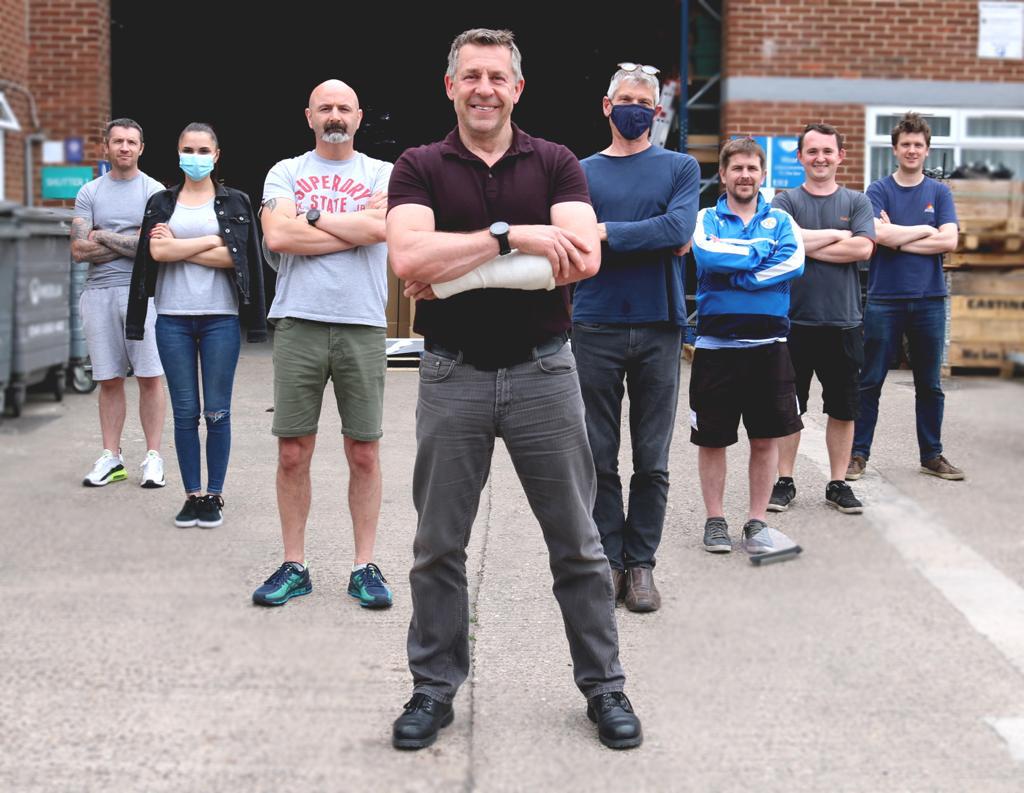
Personal safety and physical intervention training gives your team the skills to stay safe when someone becomes distressed or aggressive. It puts de-escalation first and physical skills last, and it covers everything from reading the early warning signs through to safe breakaway and, where a setting genuinely needs it, approved holds. Our courses in this category are led by Tony Umpleby, an NFPS approved physical intervention trainer with an ex-military and former Home Office Personal Safety Trainer background. That matters, because this is a subject where the quality of the trainer decides whether your staff stay safe and confident under real pressure. Every course is shaped around the people, the behaviours and the risks your team actually faces.
Who needs physical intervention training?
This training is used across the NHS, mental health and learning disability services, care homes, supported living, special schools and secure settings, and by security and lone working teams. If your staff may need to manage violence and aggression as part of their role, they need training that is both safe and legally sound. The law is clear that any physical intervention must be necessary, proportionate and a last resort, and that staff must be trained in the methods they use. Our courses build the full picture, from understanding what drives behaviour and defusing a situation early, through to breakaway and safe holds only where they are genuinely needed.
Accredited courses, delivered on-site UK-wide
We deliver every course in this category at your premises anywhere in the UK, using NFPS approved techniques and tailoring the physical skills to your environment. Courses run from one to three days depending on the level of risk and the holds your setting requires, and every learner receives a recognised certificate. Because physical skills fade without practice, we recommend refreshing this training every year, and we will help you plan a schedule that keeps your team compliant. Our main course in this category is Prevention and Management of Violence and Aggression (PMVA). If you want to understand the subject before you book, read our guide to what PMVA training covers, then call us to talk through exactly what your service needs.
Need more info?
FAQ
What does PMVA stand for?
PMVA stands for Prevention and Management of Violence and Aggression. It is training that helps staff prevent, defuse and, where absolutely necessary, safely manage violent or aggressive behaviour. The emphasis is always on understanding behaviour and de-escalating early, with physical intervention used only as a last resort.
Who needs PMVA training?
PMVA training is for anyone who may face violence or aggression at work. That includes NHS and mental health staff, learning disability and care teams, supported living and secure services, special schools, and security and lone working roles. If managing challenging behaviour is part of the job, your staff need proper training to do it safely and lawfully.
Is your PMVA training accredited?
Yes. Our PMVA training uses techniques approved by the NFPS (National Federation for Personal Safety) and is delivered by trainers who hold recognised physical intervention qualifications. Learners receive a certificate on completion that you can keep for inspection by the CQC, Ofsted or other regulators. If your service follows the Restraint Reduction Network standards, talk to us about how we align.
How long does PMVA certification last?
A PMVA certificate is typically valid for one year. Physical skills fade quickly without practice, so an annual refresher is strongly recommended and is expected by most regulators. We can track when your team’s training is due and arrange refreshers before it lapses.
What is covered in PMVA training?
Our PMVA courses cover the causes of violence and aggression, recognising the warning signs, communication and de-escalation, the law around physical intervention, breakaway and disengagement techniques, and safe holds where they are genuinely required. We tailor the physical content to the risks and the people in your specific setting.
Do you deliver PMVA training near me?
We deliver PMVA training on-site at your premises anywhere in the UK, so the training comes to you rather than you searching for a course nearby. Training in your own environment also means your team practises in the space they actually work in, which makes the skills far more useful on the day.
Is PMVA the same as MAPA or MVA training?
They are closely related. PMVA, MAPA and MVA all describe training in managing violence and aggression, and different employers and sectors use different names for it. What matters is that the training is accredited, legally sound and taught by an experienced trainer. Ours is all three.
How much does PMVA training cost?
Cost depends on the level, the number of staff and how many days the course runs. Because we price on-site training per group rather than per person, larger teams usually work out more cost effective. Tell us your numbers and your setting and we will send a clear quote.
How quickly can you deliver PMVA training?
Most on-site PMVA courses can be arranged within a couple of weeks, and we can often move faster for urgent needs. We train your whole team together so everyone works to the same standard. Share your dates and numbers and we will confirm what we can do.