
Schools/ Children's Homes
Our Courses
First Aid at Work Level 3 (RQF) Requalification
As with any accredited qualification it is good practice to refresh your knowledge and understanding in any area. However, it...
First Aid at Work – Level 3 (RQF)
The objective of this qualification is to support delegates in becoming a first aider in the workplace.
Emergency First Aid at Work Level 3 (RQF)
This course is a regulated qualification so employers can book for their employees, and rest assured that they have fulfilled...
Why Choose Us?
Training you can trust
Expert Trainers
National Coverage
Bespoke Training
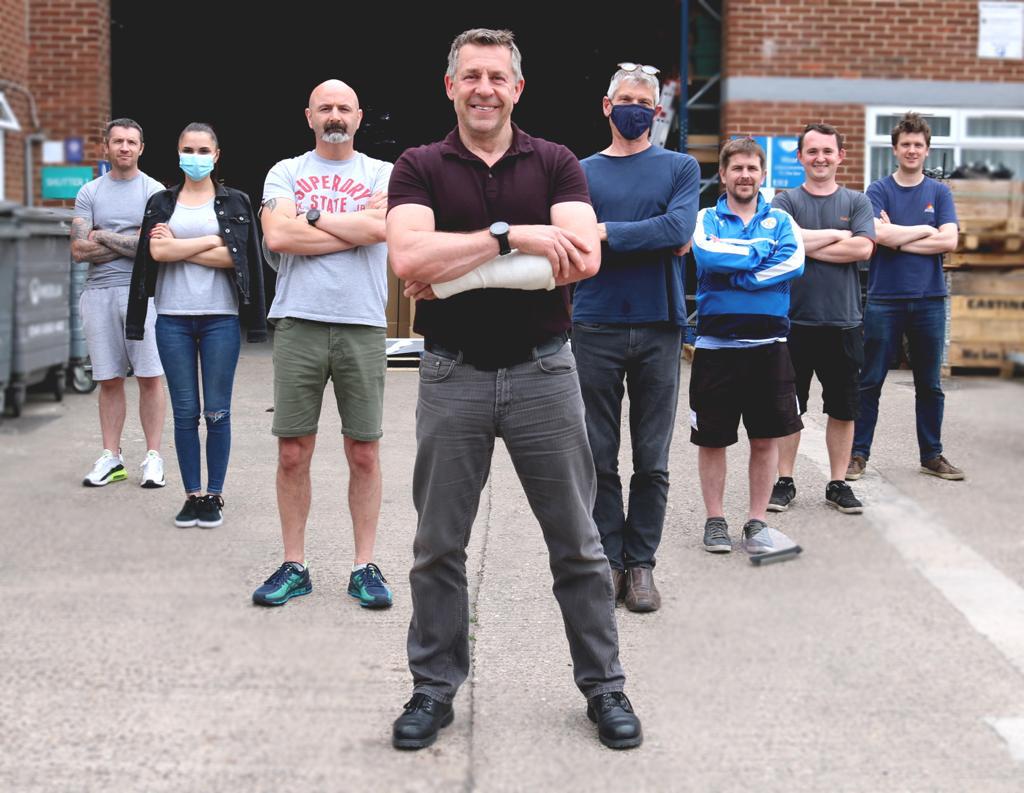
Training for schools and children's homes
Schools, special schools, pupil referral units and residential children’s homes all need staff who are trained for the situations they actually face. That ranges from managing behaviour safely and lawfully through to first aid, safeguarding and health and safety. The training in this category is built around education and residential childcare settings rather than adapted from a generic workplace course. It is led by Tony Umpleby, an NFPS approved physical intervention trainer with a background in the military and as a former Home Office Personal Safety Trainer, so the behaviour side is taught by someone who has worked in genuinely high risk environments. Every course is shaped around your pupils, your staff and your own policies.
Positive handling, Team Teach and the law
Schools and children’s homes use several named approaches, including Team Teach, MAPA and positive handling, and they all share the same legal foundation. Section 93 of the Education and Inspections Act 2006 allows school staff to use reasonable force to prevent harm, and any physical intervention must always be reasonable, proportionate and necessary. The Restraint Reduction Network sets the benchmark for training in restrictive practices, and reducing restraint over time is the goal every setting should work towards. Our courses are a credible, accredited alternative to Team Teach, tailored to the pupils, behaviours and policies in your specific school or home.
Accredited training, delivered in your school or home
We come to your premises anywhere in the UK and shape the training around your environment, from a mainstream school to a special school, a pupil referral unit or a residential children’s home. Our Positive Handling Training course covers behaviour, de-escalation, the legal framework, breakaway and, where required, safe positive handling techniques. Every learner receives a recognised certificate for your records and inspections, and because physical skills fade we recommend refreshing each year. If you want to understand the legal side in more detail first, read our guide to why positive handling and restraint training matters, then call us.
Need more info?
FAQ
What is positive handling training?
Positive handling training teaches staff how to support a child or young person whose behaviour puts themselves or others at risk. It puts understanding behaviour and de-escalation first, and teaches safe, proportionate physical holds only as a last resort. The aim is to keep everyone safe while reducing the need for restraint over time.
Is positive handling training the same as Team Teach?
They are closely related. Team Teach, MAPA and positive handling are all named approaches to the same thing, managing challenging behaviour safely and lawfully. Our accredited, NFPS approved training is a trusted alternative to Team Teach, and we tailor it to your setting rather than delivering a fixed package.
Is it legal to use physical intervention in schools?
Yes, within strict limits. Section 93 of the Education and Inspections Act 2006 allows school staff to use reasonable force to prevent a pupil harming themselves or others, damaging property or seriously disrupting order. Any intervention must be reasonable, proportionate and a last resort, and staff should be trained in the methods they use.
Who needs positive handling training?
Teachers, teaching assistants, SENCOs, learning support staff and residential childcare workers all benefit, particularly in special schools, pupil referral units and children’s homes where challenging behaviour is more common. We can train a whole staff team or a smaller core group depending on your needs.
Is your training accredited?
Yes. Our positive handling training uses NFPS approved techniques and is delivered by qualified physical intervention trainers. Learners receive a certificate you can show to Ofsted or keep for your records. If your setting follows the Restraint Reduction Network standards, talk to us about how we align.
How long does the certificate last?
A positive handling certificate is typically valid for one year. Physical skills fade quickly without practice, so an annual refresher is strongly recommended and is expected by most inspectors. We can remind you when your team’s training is due.
Do you deliver training in our school?
Yes. We deliver on-site at your school or children’s home anywhere in the UK, which means your team trains in the environment they actually work in. We shape the physical content around your pupils, your behaviours and your own policies.
How quickly can you arrange training?
Most on-site courses can be booked within a couple of weeks. We train your whole team together so everyone works to the same standard. Share your dates and numbers and we will confirm what we can do.